Balancing Preservation with Modern Building Performance
Old buildings notoriously use a lot of energy, which has meant many owners are looking at redevelopment to ensure they incorporate net zero values into their buildings, whilst meeting Government’s new carbon standards.
Many London buildings hold a lot of history and cultural value to them, and it is important to preserve them for future generations. But buildings need to still be able to meet the modern-day demands and needs of tenants, the retrofit of old, listed buildings in London is on the rise. The old requirements and expectations for indoor conditions change over time, buildings look to meet these new demands whilst retaining the embodied fabric and unique characteristics buildings obtain.
Refurbishment of buildings is becoming more popular amongst developers, being a sustainable option through avoiding demolition. There becomes a focus on re-using materials to limit project waste whilst ensuring the building’s past is preserved. Many London buildings hold a lot of history and cultural value to them, but buildings need to still be able to meet the modern day demands and needs of tenants. Particularly after Covid-19 landlords are looking to entice employers back into offices to create a positive and collaborative working environment.
The refurbishments of buildings can not only generate billions for the economy by creating new jobs but also the construction industry is able to use more sustainable approaches. Refurbishment of buildings is becoming more popular amongst developers, being a sustainable option through avoiding demolition and utilising the circular economy. There becomes a focus on re-using materials to limit project waste whilst ensuring the building’s past is preserved. Improving energy performance is important for the building however, to avoid damaging the building’s fabrications and unique characteristics retrofits must adhere to a set of conservation principles set out in the UK.
The renovation of buildings additionally introduces the integration of sensor technology and BMS together. People counting and presence detection technology is both accurate and safe, with no cameras being used. Thermal imagery and infrared sensors are used to ensure HVAC systems turn on in the presence of someone and depending on how many bodies are present, to adjust the air quality accordingly. The sensors enable the prioritisation of comfort levels whilst not wasting energy, turning off when nobody is present within a specific room.
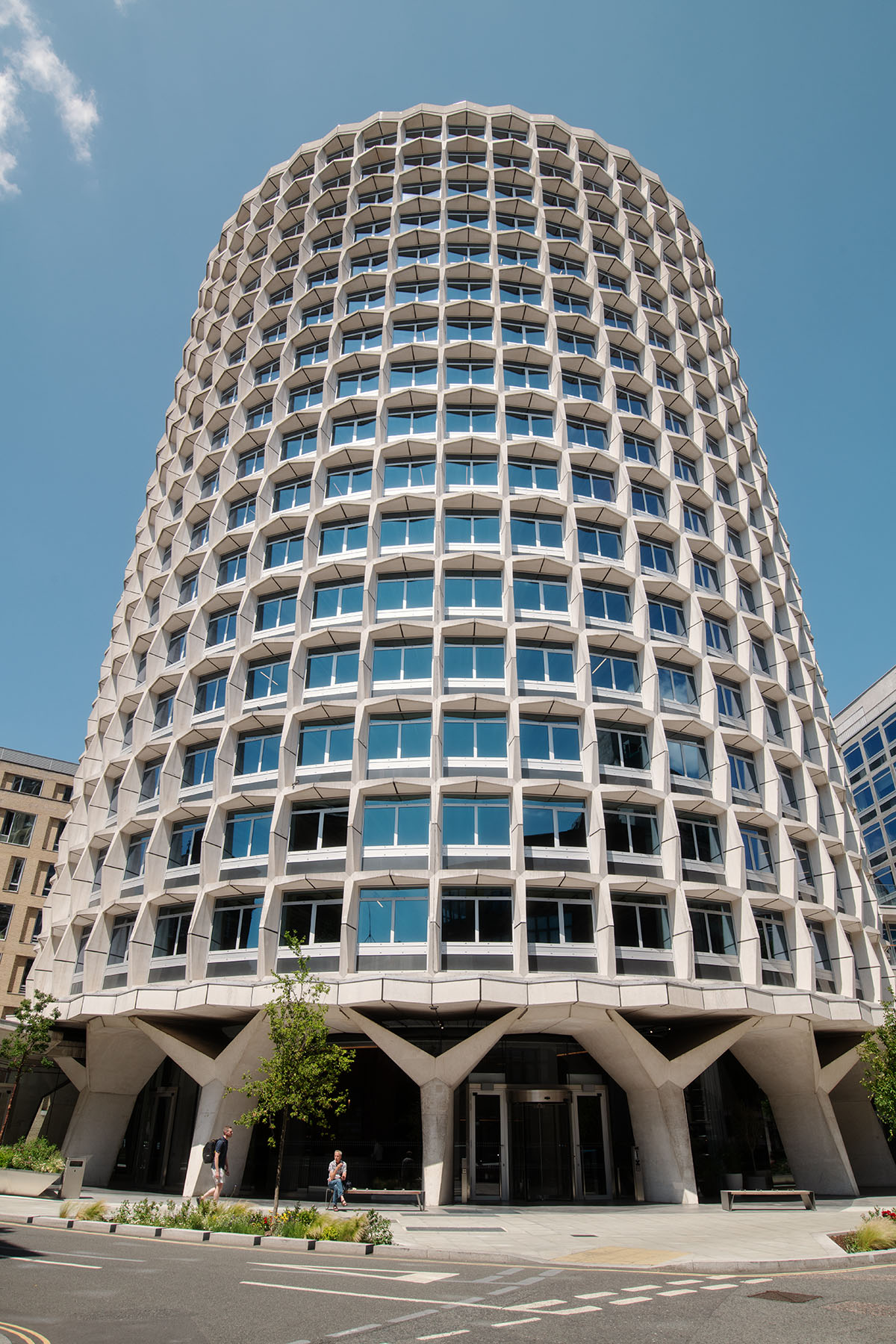
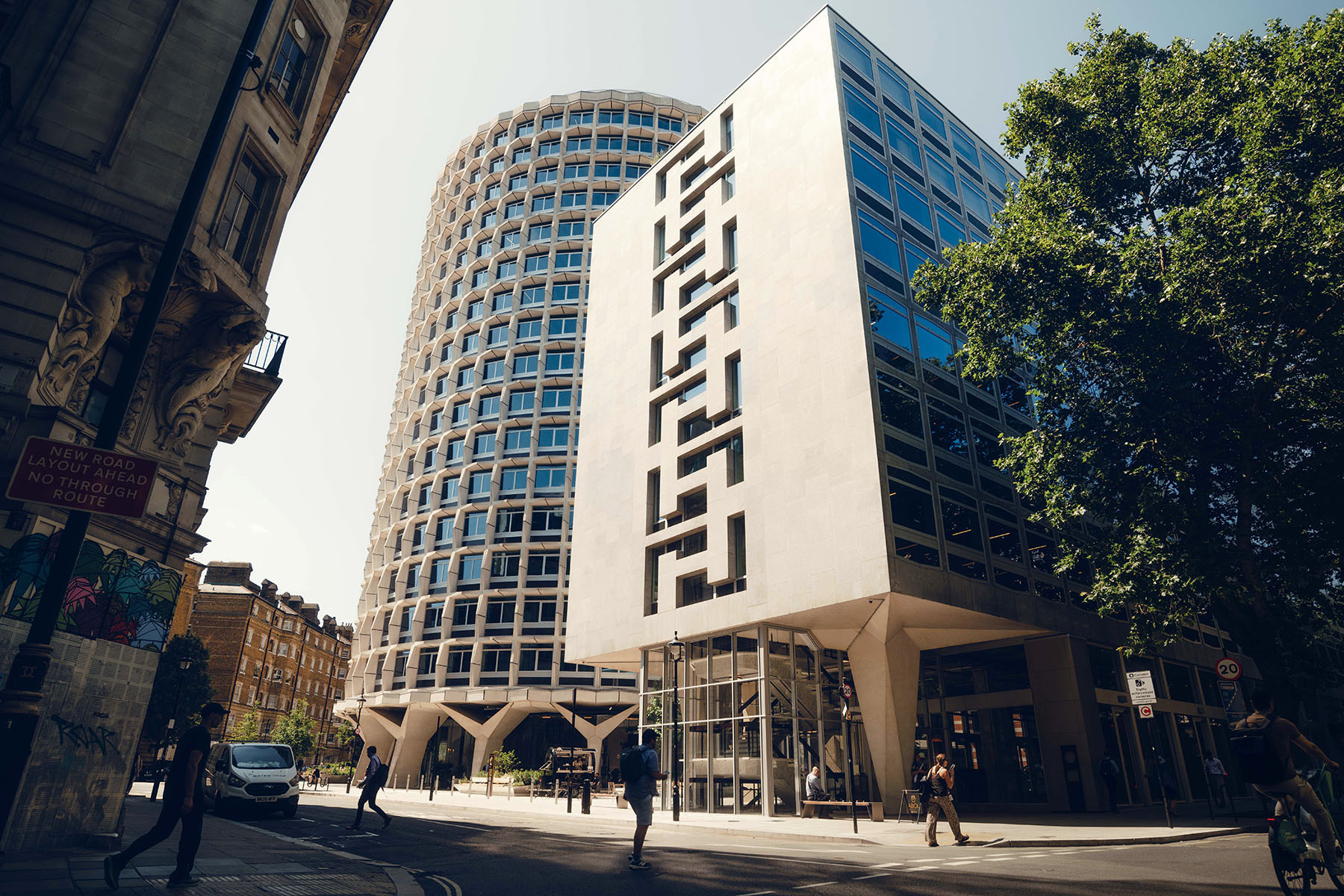
We at Lloret look to contribute towards the retrofit of listed buildings around London, our systems optimise buildings’ performance and energy efficiency by measuring and controlling occupants’ energy consumption. We have been involved in numerous projects across London with refurbishing historic and Grade II listed buildings, including Camden Town Hall, Space House and Peterborough Court.