Oli’s Perspective: How the BMS is at the Centre of Smart Buildings
Over Christmas, our Sales Director sent me a white paper released through Cambridge University Press. The paper itself was titled “Machine Learning for Smart and Energy-Efficient Buildings”. It was an interesting read and detailed how machine learning (ML) could be used to make buildings more efficient.
One thing stood out to me, about how HVAC in buildings “has for many decades been accomplished by classical control techniques” and also that “these simple control strategies no longer suffice.”
As a professional working in both the smart building and BMS industries, it got me thinking. I wondered if maybe we should go back to basics and remember to be thankful for what we already have and take for granted (it was Christmas after all).
In the smart building industry, I do feel that we are sometimes guilty of trying to solve problems with the latest ‘tech’ as opposed to fully utilising the systems that already exist within our buildings.
At this point, I should also note that I am a true fan of smart buildings, machine learning and all the potential benefits they bring, and I look forward to seeing how advances in technology will change the built environment over the coming years!
So, for readers who don’t work in controls, what is a BMS system?
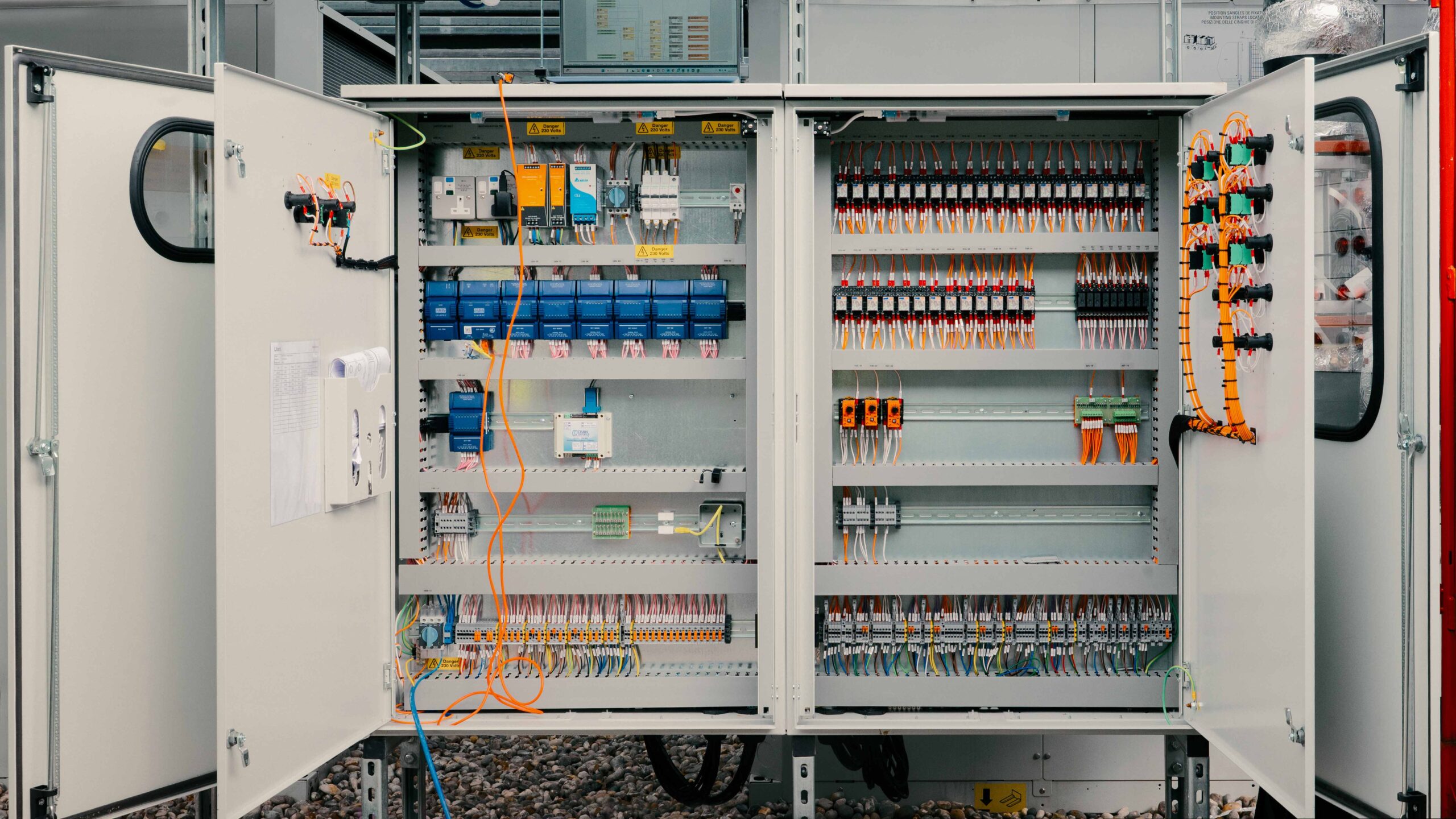
The Building Management System (BMS) controls the Heating, Ventilation and Air Conditioning (HVAC), monitors the energy usage, provides alarms when things go wrong, logs all the values and provides a graphical interface to view and control the entire system – it’s already quite advanced when it comes to controlling equipment.
Typically, most BMS systems are demand-driven, meaning that the plant they control is only told to operate when there is a requirement for air, heating or cooling (for example, when you turn on the local air conditioning in your office). It is not constantly running when it is not needed.
Following on from this, the BMS will signal the plant to cycle up and down to meet user demands, specifically so that energy is not wasted. For example, if only one floor of a building is occupied, then the systems only run to meet the demand of that floor. You can achieve this by integrating with the lighting system as a standard.
All of the HVAC plant such as pumps, air handling units, chillers etc. work together to control the flow of water and air to keep the building balanced and its occupants comfortable, whether it’s zero degrees outside or thirty. The control system is by necessity bespoke to each building’s mechanical design and operates accordingly. This is something that needs to happen independently every day, preferably without intervention. It needs to operate independently of the internet, cloud connectivity and recover from power failures.
The BMS controls building systems 24/7 with no intervention at all – we only notice when something goes wrong or doesn’t work the way we expect it to and it’s really flexible and scalable. Need to pick up some new sensors? Simply integrate them into the BMS. Need to change the control strategy of your pumps? Just update the software strategy, no hardware change needed.
So, if you look at it this way (and I include all the other control systems lighting, access control etc. in this) then most buildings are already pretty smart!
So, here is the issue. I often feel, rather than appreciating the systems we have, we tend to look at adding another system to monitor it and tell us where it’s not performing or worse, replacing the system with another one. Surely, sometimes it would be better to simply give the systems within the building we already have some time and attention to ensure they are working correctly.
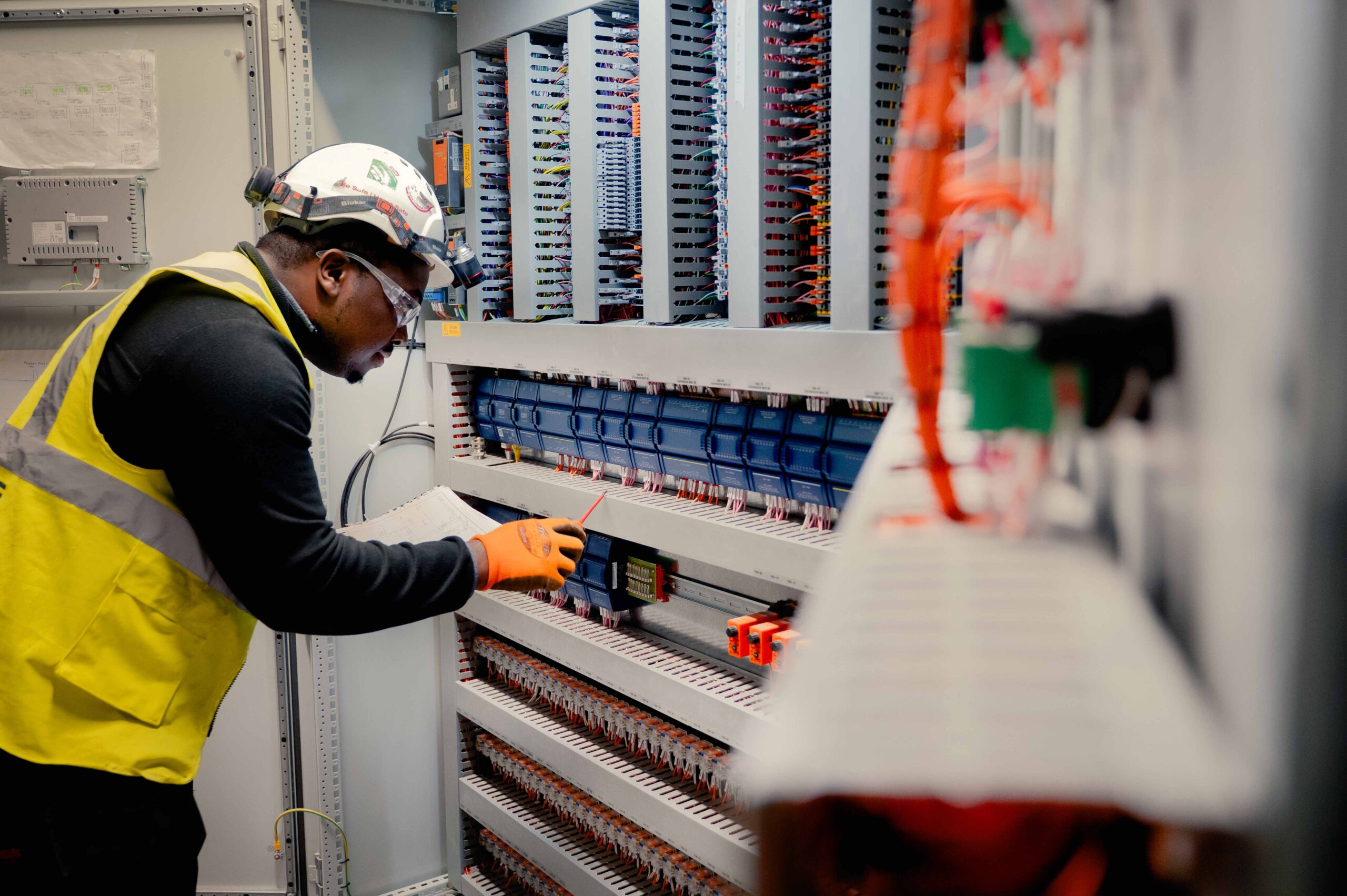
An example of this is the humble PID loop (again for those non-control backgrounds, this is a standard software routine used to control things like temperature or pressure – it is also the “simple control strategy” that was mentioned in the article I referred to in the beginning). These PID loops don’t just work out of the box. They need to be tuned to the individual equipment they are controlling. Tuning them is an art form, as many veteran commissioning engineers will tell you. In fact, I have lost count of the times I have heard engineers lament, “we never get time to tune the loops anymore”. To add to this over time, as the plant breaks in (like an old car) they will need to be re-tuned to ensure they are still controlling well. This is normal. Mechanical systems degrade over time and need maintenance. Re-tuning a PID loop as the system wears in will keep the system working to the best of it’s ability until you decide to change the plant its controlling.
Additionally, I also find it interesting that we often forget the work that goes into building a building in the first place. Constructing a modern building is a hugely complex exercise made up of a huge number of moving parts (design teams, contractors, commissioning agents, the list goes on) and in turn the systems that now go into making them up are also hugely complicated. What we also forget is that when a building is completed most of the people who have spent years designing, installing and commissioning go off to the next project and much of their hands on knowledge is lost. This means that each bespoke building must be relearned by an incoming facilities team. No wonder the control systems get a bad rap sometimes!
Undoubtedly in the next five to ten years, machine learning will revolutionise the way we build and control buildings and I for one look forward to that. I would also like to think that in the meantime, as we head into 2026, we can take some time to appreciate the humble BMS system, its classical control techniques and simple control strategies that control (well) pretty much every building out there.